Our Programs
Comprehensive care for Kisoro District, Uganda
The Clare Nsenga Foundation actively promotes programs to improve the health, education, and economic security of children and families in Kisoro District, Uganda. Explore our clinical, community, and academic programs below.
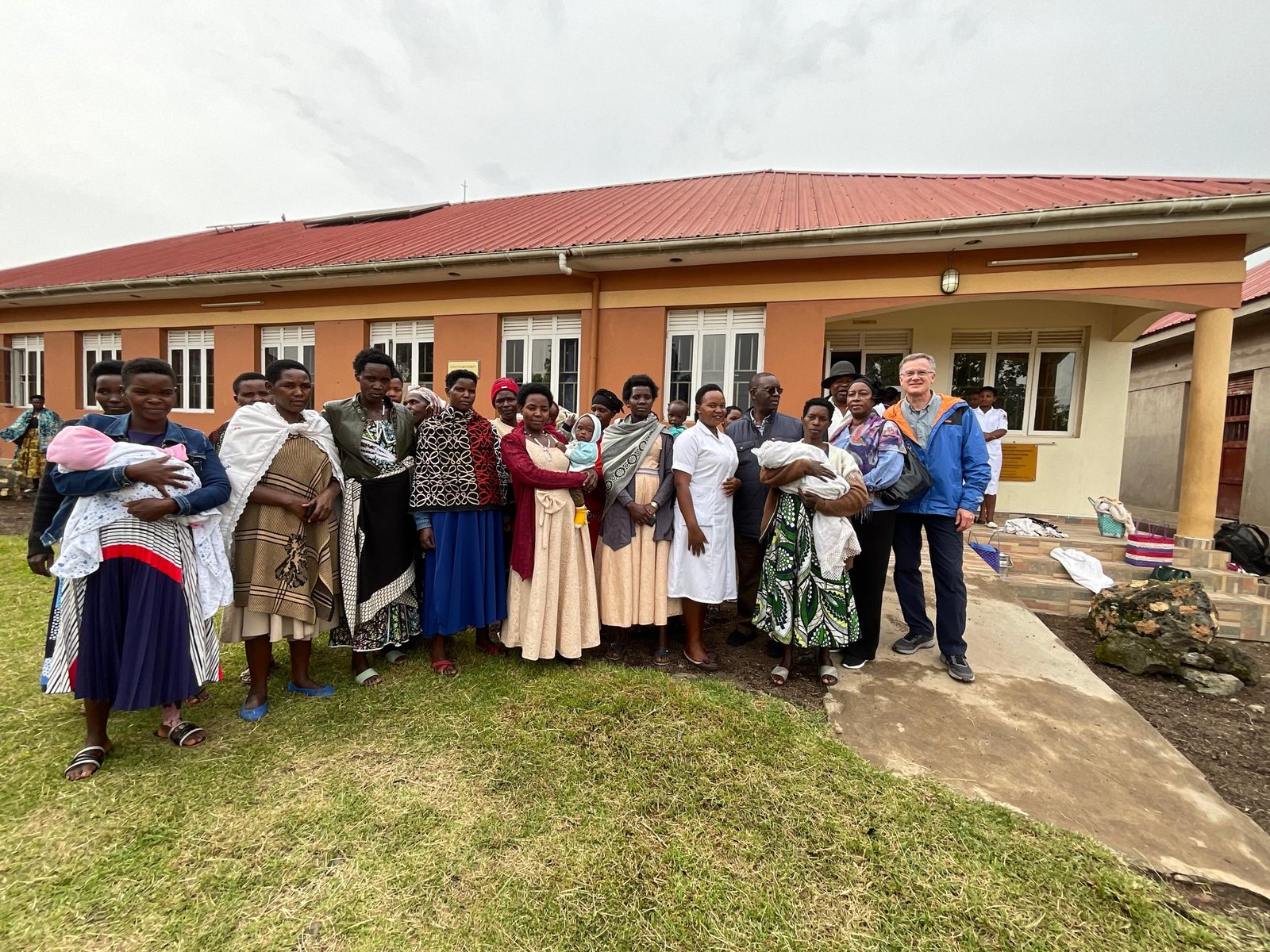
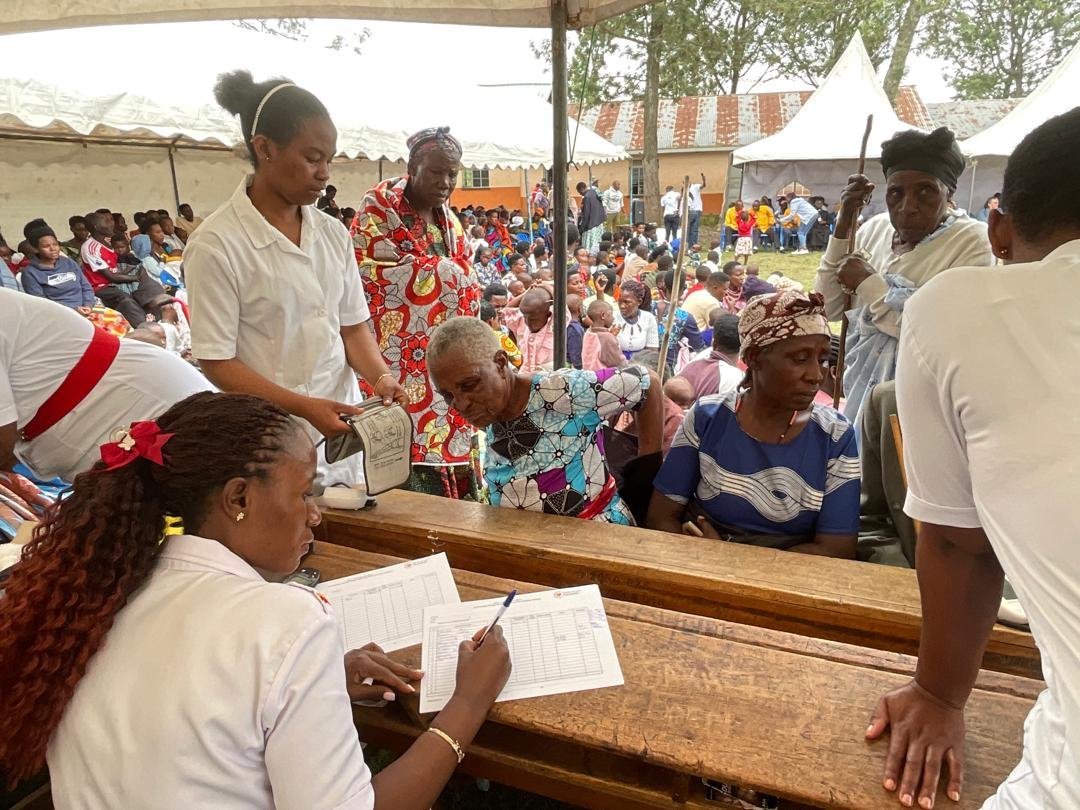
Our clinic sees about 1,500 patient visits every month, serving both Uganda and neighboring Rwanda.
Since 2007, the Clare Nsenga Health Centre has provided vital care to the Cyanika community.

Building Skills, Opportunity, and Stronger Families
Clare Nsenga Health Center supports a sewing and weaving skills program designed to create meaningful economic opportunities for young women in the community. Participants are carefully identified and selected by community members based on local knowledge of families who could benefit significantly from a reliable source of income.
Through the program, young women receive hands-on training in sewing and weaving, developing practical skills that can be used to generate income and build greater financial independence. Following their training, participants receive support toward the purchase of a sewing machine, helping them turn newly acquired skills into a sustainable livelihood.
The program recognizes that investing in one woman's skills can have an impact far beyond the individual. By helping young women develop the ability to earn a stable income, the program seeks to strengthen household financial security, support children's needs, and create greater opportunities for families to thrive.

Orphans & Vulnerable Children Support
The OVC Support Program provides school uniforms, supplies, and secondary school tuition for orphans, along with goats for families who take them in. Since the program began, attendance at Katarara Primary School has risen 78%, with girls' enrollment up 51%.
Giving Every Baby a Safe Start
Since 2019, Clare Nsenga Health Center has been providing Baby Boxes to new mothers and families in our community. Each Baby Box provides a clean, comfortable space for newborns to sleep and includes a mattress, supplies, clothing, and mosquito net. Mothers are provided practical education on newborn care, hygiene, and malaria prevention. Mothers receive guidance from our healthcare team on how to safely use the box and care for their babies at home. Families have embraced the Baby Box program, with most mothers reporting that they use the box regularly. This simple, locally adapted program reflects our commitment to helping every mother and baby begin life together with safety, knowledge, and support.

Connecting Students to a Digital Future
In 2018, Clare Nsenga Health Center and its partners began a computer education project at Katarara School to give students access to technology and new opportunities for learning. Laptops donated by the University of Connecticut School of Medicine were brought to the school. Internet access was also provided, connecting students and teachers to the wider world of information and education.
The project is built around sustainability. Visitors from the United States have worked directly with local teachers through a train-the-trainer program, providing practical instruction in basic computer use and skills. These teachers then share their knowledge with students, creating a foundation for ongoing computer education within the school.
Alongside the computer program, CNF partners have also added a water tank and gutters to Katarara School to improve water collection and access for students and staff. Together with our Orphans & Vulnerable Children Support program below, these investments have helped drive a 78% rise in school attendance at Katarara Primary School.

Clinical & Maternal Health Care
Outpatient care, free maternity and delivery services, immunization, and laboratory diagnostics for the Cyanika community, funded in part through our Southington parish partnership.

Community Health Programs
Community Health Workers provide bicycles for outreach and share sanitation, HIV, malaria, and maternal health education, alongside infant baby boxes and improved water access at local schools.
Academic Collaborations
Since 2005, we've partnered with the UConn School of Medicine on health needs assessments, bed net distribution, HIV case-finding, nutritional studies, and medical supply support for our clinic.
Our Causes
What We Do
From outpatient care to school support, our work spans clinical, community, and academic programs across Kisoro District.
Outpatient & Inpatient Care
Maternal & Child Health Services
Immunization & Malaria Prevention
Job Skills Training for Young Women
School Support for Katarara School
Support Us
Support Care in Kisoro District
Since 2018, monthly outpatient visits have grown from 200 to about 1,500, and monthly deliveries have grown from 5 to 20 and above. Your support helps sustain outpatient care, maternal and child health services, immunization, and laboratory diagnostics for the Cyanika community.

Make a Donation
Gifts of any size go directly toward outpatient care, maternal health services, and medical supplies at the Clare Nsenga Health Centre.

Volunteer
Join a UConn School of Medicine collaboration, partner through Saint Luke Parish, or train as a Community Health Worker to bring outreach and education directly to Kisoro families.

Explore Our Programs
Read about our clinical, community, and academic programs above to see where your support makes the most impact.
Give
Join Our Work in Kisoro District
Every gift and volunteer hour helps the Clare Nsenga Health Centre sustain outpatient care, maternal and child health services, and community outreach for the Cyanika community.
Learn how to get involved
Every visit, donation, and volunteer hour helps the Clare Nsenga Foundation expand access to health care, education, and economic opportunity in Kisoro District. Whether you're a UConn medical student joining an academic collaboration, a parish partner in Connecticut, or a supporter making a first gift, there's a place for you in this work.
1. Service Delivery
Out-Patient Department: Monthly patient turnup has grown from 200 to about 1,500 since 2018. The Centre treats non-communicable diseases such as hypertension and diabetes, as well as infectious diseases including respiratory infections, TB, diarrhoea, and malaria.
Maternal and Child Health Services: Monthly deliveries have grown from 5 to 20 and above. Services include a full antenatal care package, postnatal follow-up, and referral for obstetric emergencies.
In-Patient Admissions: The Centre has a 15-bed capacity and handles roughly 40 admissions per month.
Laboratory Services: Equipped with a microscope, centrifuge, haemoglobinometer, and glucometer, with rapid diagnostic tests available for malaria, hepatitis, HIV, syphilis, and typhoid.
Immunization Services: Offered daily in line with Ministry of Health policy.
Additional Specialized Services: ART services, TB services, and community-based services delivered through Village Health Teams (VHTs) and Community Health Extension Workers (CHEWs).
2. INFRASTRUCTURE
The Centre has completed an outpatient department and maternity building along with staff quarters. An inpatient ward block has also been completed and is awaiting equipment.
3. Energy Source
The Centre is powered by a combination of solar energy and electricity from the grid.
Health Care
Clare Nsenga Health Centre III
Offering quality, affordable and exceptional health care to everyone since 2007.
Clare Nsenga Health Centre III is the clinical heart of our work in Kisoro District. Below is an overview of what the Health Centre offers, drawn directly from the Centre's own reporting on its services, infrastructure, and staffing.
4. WATER SUPPLY
Water is supplied through a piped system, supplemented by rainwater harvesting.
5. EQUIPMENT
The Centre operates an ambulance and a motorcycle for outreach and referrals, alongside equipment dedicated to each department.
6. MEDICAL SUPPLIES
Medical supplies are sourced through Joint Medical Stores via the Ministry of Health.
7. HUMAN RESOURCE
The Centre is staffed by a Senior Clinical Officer, nurses, midwives, and a laboratory assistant, supported by Village Health Teams (VHTs) and Community Health Extension Workers (CHEWs). Governance is provided by a Health Unit Management Committee and a Board of Directors.
Three staff members have been supported through enhanced studies as part of ongoing capacity building. There are also continuous onsite trainings, mentorships, and Continuing Medical Education (CMEs) sessions, with support from the Ministry of Health.
Join our mission. Volunteer, Donate, Advocate. Get Started Today.
Email: cnfoundation1@gmail.com
Call Anytime: (860) 639-4213